

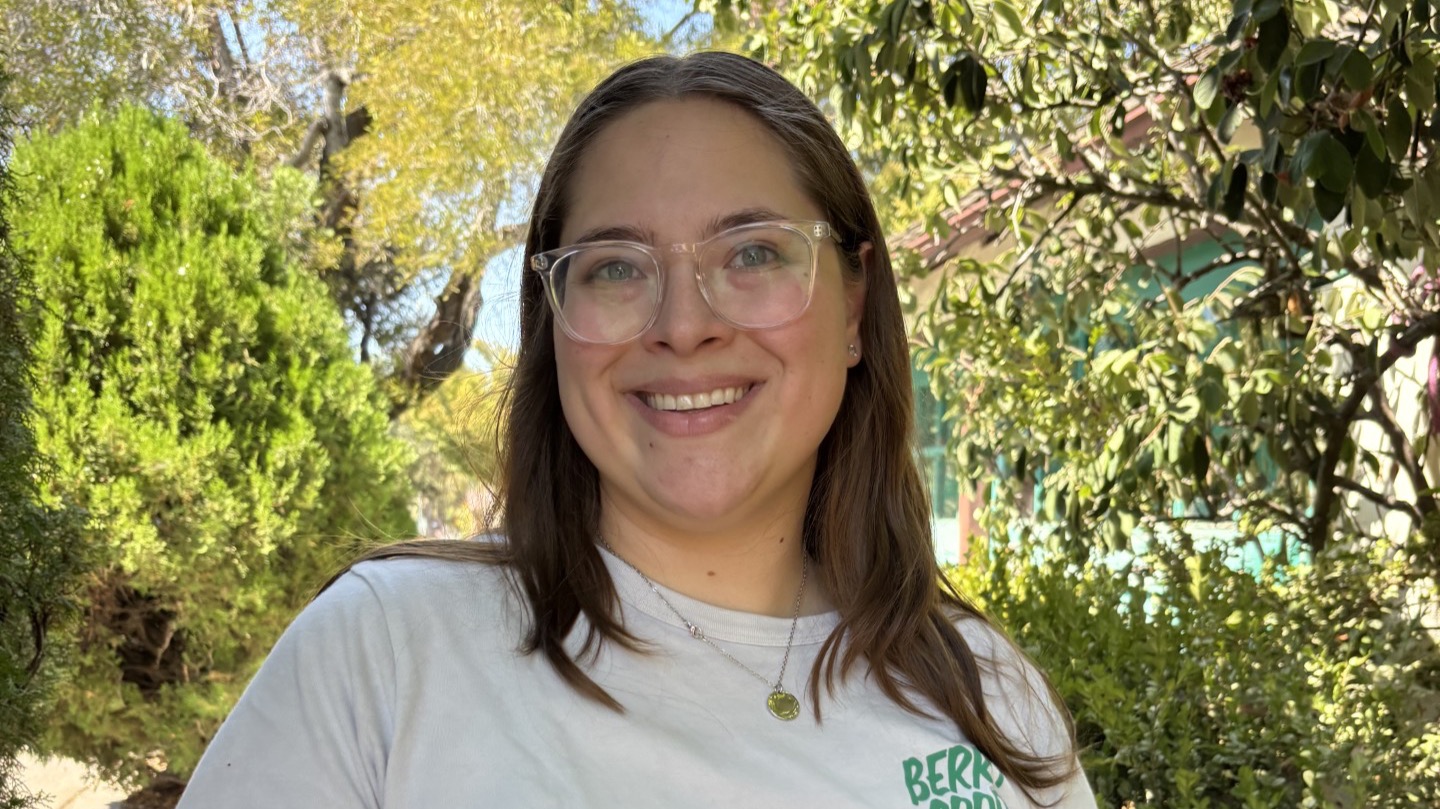
As a kid riding past The Center with her mom on the way to pick up shifts at Sunrise, Aryanna Lincoln made herself a promise. “As a young lesbian, I’d see the building and tell myself, I’m going to work there one day,” she says with a smile. Today, she’s the Clinical Support Coordinator in the primary care clinic at the newly expanded Gavin J. Goorjian Community Health Center, a role that touches nearly every patient who walks through the door. “I have a few roles,” she explains. “I manage our long-acting injectables—Cabenuva for HIV treatment and Apretude for HIV prevention—and most recently ‘Yes to Go,’ another long-acting PrEP option. We have over 150 patients on injectables now. I also handle prior authorizations and referrals. I try to do it all.”
Lincoln began in healthcare just two years ago at a different clinic’s front desk, working alongside a provider who now practices at The Center. When openings appeared during the Center’s expansion, she transferred to front desk—and kept growing from there. “It’s ever-expanding,” she says. “I’m really excited.”
First Impressions, Lasting Dignity
For Lincoln, what happens at check-in can make or break a patient’s entire experience. “First impressions are so incredibly important,” she emphasizes. “We’re the first faces people see. If the front desk is cold or frustrated, it doesn’t make you feel good about getting your care there.” That’s why the clinic’s lobby is designed to feel less clinical and more communal—chairs are grouped so people face each other, the front desk is open (no sliding windows), and the team’s camaraderie is audible. “You’ll hear laughing and goofing off,” she says. “It mitigates that waiting-room anxiety.”
The stakes are especially high in HIV and LGBTQ+ care, where stigma can shadow every step of the journey. “I wasn’t super aware of HIV care before I started,” Lincoln says, “but the comments we get—Thank you for treating me like I’m human—are powerful. It’s really important to make people feel seen and respected the second they arrive.”
Designing an Affirming First Visit
The ideal first visit starts up front. “We collect medications, pharmacy preferences, pronouns, sexual history, and do PrEP assessments,” Lincoln explains. “That way, when medical assistants bring patients back, we already know, for example, who’s interested in starting PrEP.” With the grand opening, the clinic’s “all-in-one” model becomes real: in-house lab work, imaging, an on-site pharmacy—everything under one roof. “Ideally, patients get their blood work, imaging, and medications in the same visit,” she says. “We’re becoming a fully rounded clinic.”
When Names and Systems Clash
Affirming care doesn’t stop at the intake screen—it’s encoded in the way the clinic handles names. “We always use the patient’s preferred name,” Lincoln says. “But for insurance, we have to use the legal name on the card. We explain how it will appear in our system and on certain paperwork, and we educate about the ‘why.’” The clinic goes further, partnering with attorney Heidi for legal name changes. “If someone mentions they haven’t changed it yet, we can get them help,” Lincoln adds.
Low Literacy Isn’t a Barrier Here
Lincoln trains staff to ditch the jargon. “You can’t just toss out acronyms and expect people to know their ‘subscriber number,’” she says. “Some folks have never used insurance. Some don’t know they’re eligible. We approach it with patience. It’s everyone’s first time living.”
Fighting for “Yes” in a World of “Denied”
Prior authorizations are Lincoln’s battlefield. “That’s a rough part of the job,” she admits. “A lot of times the first answer is ‘denied.’ I call and make them explain why. If we meet criteria and it’s still denied, I appeal and schedule peer-to-peer reviews with our providers.” She laughs at her own relentlessness: “What’s my secret weapon? Call them up. I really bother them. Be aggressive.”
When insurance won’t budge, the clinic shields the patient. “We work with our in-house pharmacist, Bobby, on cash pricing,” she says. “And we use samples to bridge gaps—two-week supplies while we push authorizations through. There’s a lot of assistance in the HIV and PrEP world—copay cards and savings programs—and we leverage all of it.”
No One Turned Away
If a patient is uninsured or underinsured, the front desk routes them to support the same day. “We have a Medicaid liaison on site, and many people leave with coverage,” Lincoln says. “If they’re just over the Medicaid threshold, our insurance navigator Katie helps them find plans. We also have agreements that make labs more affordable. A full HRT panel that might cost $1,000 elsewhere could be around $100 with us.” For people newly diagnosed or returning to HIV care, the clinic’s Ryan White case manager, Cynthia, ensures continuity and follow-up. “Same-day starts and continuation of care are huge for us,” Lincoln says. “Ending stigma is just as important as ending gaps in treatment.”
What’s Next: “Instant” Mental Health
The expansion includes a full behavioral health floor. “We’ll have therapists, groups, and mental health casework downstairs,” Lincoln says. “It’s not something you commonly see at a primary care clinic—instant mental health.”
Why She Stays
Lincoln answers without hesitation: “We’re trying to be a safe haven for people who don’t feel accepted elsewhere. You’re safe here.” She also wants to normalize what affirmation looks like at the front desk. “If I could standardize one practice across every clinic in Las Vegas? Ask for pronouns—openly and unashamed. Hi, I’m Aryanna; she/her. What are yours?”
And as for the feeling she hopes patients carry out the door? She finishes the sentence the way she always does in training: “Patients should leave our clinic feeling validated.”