
Creating Change 2025: A Celebration of Community, Leadership, and Resistance in Las Vegas
The energy was palpable as Creating Change 2025 kicked off in Las Vegas, hosted by the National LGBTQ Task Force. Against the backdrop of the neon-lit city, this annual gathering brought together activists, leaders, and change-makers from across the LGBTQ+ spectrum. It was a week filled with inspiring speeches, groundbreaking panels, and heartfelt ceremonies, all centered on this year’s theme: resistance, power, and love.
Opening with Purpose
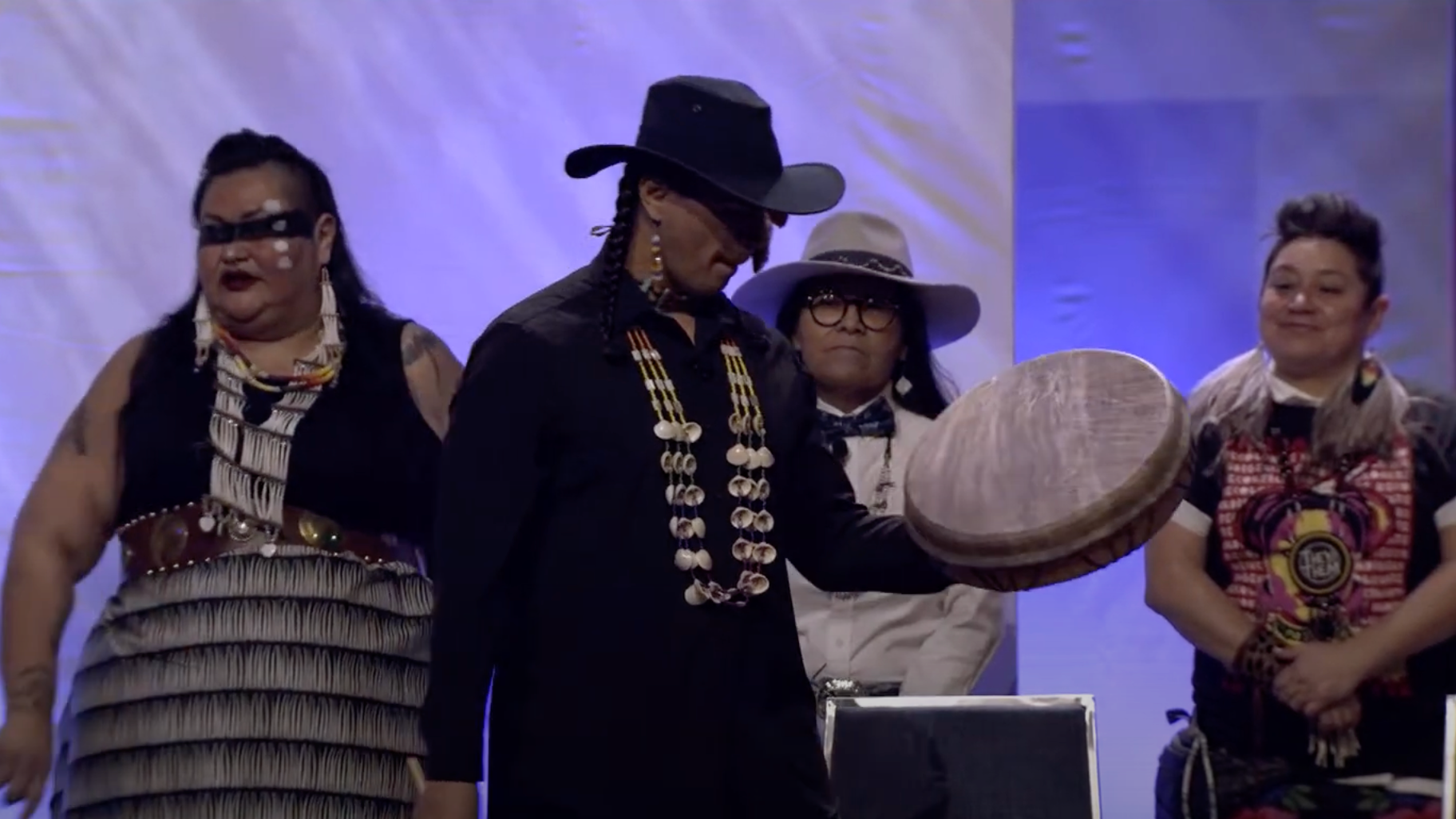
The conference opened with a land acknowledgment that set a reflective tone. Indigenous leaders welcomed attendees to the traditional homelands of the Southern Paiute people, emphasizing the importance of honoring both the land and its stewards. The acknowledgment wasn’t just ceremonial—it was a call to action, urging attendees to reckon with the ongoing impacts of colonialism and to commit to supporting Indigenous sovereignty and decolonization.
“Acknowledging the land does not heal generations of trauma inflicted by colonialism,” said Meredith Morgan, a two-spirit leader. “We must stand in solidarity with Indigenous peoples, not just in words but in actions.” The ceremony included traditional prayers, songs, and a powerful reminder of the resilience of Indigenous cultures.
Amplifying Black Leadership
One of the most highly anticipated sessions was the plenary on Black leadership, moderated by Andre Wade, state director of Silver State Equality. Featuring powerhouse panelists like Imani Rupert-Gordon of the National Center for Lesbian Rights, Dr. David Johns of the National Black Justice Coalition, and Representative Maury Turner, the discussion delved into the challenges and triumphs of Black leadership in the LGBTQ+ movement.
Rupert-Gordon spoke about the importance of authenticity in leadership. “You don’t have to be the second-best version of someone else,” she said. “Be yourself. That’s how you’ll create meaningful change.”
Representative Turner shared their journey as the first openly nonbinary person elected to a state legislature in U.S. history, representing Oklahoma’s District 88. “The work we do isn’t just about opening doors,” Turner said. “It’s about keeping those doors open and ensuring others can walk through them.”
Dr. Johns added a reminder that Black leadership has always existed, even when unrecognized by mainstream institutions. “We’ve always been here,” he said. “What we need now is for our communities to rally around us, to create trampolines that help us bounce forward when systems try to hold us back.”
Care Bears and Radical Wellness
Wellness was a recurring theme throughout the week, embodied by the “Care Bears” initiative. These spaces offered attendees a place to rest, reflect, and recharge. Whether through playdough, bingo, or one-on-one sessions with therapists, the Care Bears highlighted the necessity of mental health support within activism.
“We can’t pour from an empty cup,” one organizer said. “Wellness isn’t a luxury; it’s a radical act of resistance.”
The initiative also emphasized community care as a cornerstone of the movement. Attendees were encouraged to look out for one another, reinforcing the mantra that “we keep us safe.” This ethos was woven into every aspect of the conference, from de-escalation workshops to language justice initiatives that ensured accessibility for all participants.
Honoring Two-Spirit Leadership
A highlight of the conference was the presentation of the Indigenous Leadership Award, which recognized the contributions of two-spirit leaders. Dean Marlise, a Northern Paiute elder, accepted the award with a moving speech about resilience and the sacred role of two-spirit people in Indigenous cultures.
“We have always been here,” Marlise said. “Before colonization, before Christianity, we were part of creation. And we will continue to be part of creation. We must stand for the land, for our ancestors, and for the generations yet to come.”
The ceremony served as a powerful reminder of the interconnectedness of all struggles for justice. It underscored the importance of centering Indigenous voices in the broader fight for LGBTQ+ rights and equity.
Charting a New Way Forward
Throughout the week, the conference offered a variety of workshops and panels aimed at equipping attendees with the tools to create change in their own communities. From sessions on combating anti-LGBTQ+ legislation to panels on intersectionality, the programming was both practical and inspiring.
One recurring theme was the need for structural change. “It’s not enough to bring someone through the door,” said Rupert-Gordon. “We need to remove the door entirely.” She shared strategies for eliminating barriers in hiring practices and creating workplaces that truly value diversity and inclusion.
Dr. Johns echoed this sentiment, emphasizing the role of education in dismantling systemic oppression. “Democracies have to be defended by each generation, and education is the midwife,” he said, quoting Bell Hooks. “We need to teach our young people not just how to survive but how to thrive.”
The Power of Vulnerability
National LGBTQ Task Force President Kierra Johnson closed out one of the plenary sessions with a call for vulnerability. “We’re so hurt, so scared, so angry,” she said. “But we’ve armored ourselves from each other. Vulnerability demands that we take a risk, that we expose our wounds and invite others to heal with us.”
Her words struck a chord with attendees, many of whom expressed gratitude for the space to connect authentically. Johnson’s call to “be reflective about your triggers and unpack your assumptions” resonated as a challenge to build deeper, more inclusive communities.
Looking Ahead
As the conference drew to a close, attendees left with renewed energy and a clear sense of purpose. Creating Change 2025 was more than a gathering; it was a reminder of the power of collective action and the importance of holding space for joy, grief, and everything in between.
From the land acknowledgment that opened the event to the closing plenary, every moment was a testament to the resilience and creativity of the LGBTQ+ movement. In the words of Dr. Johns, “We’ve forged ourselves out of the fire before, and we’ll do it again.”
As the fight for justice continues, Creating Change remains a beacon of hope and a catalyst for transformation. For the LGBTQ+ community and its allies, the message was clear: we got us.