

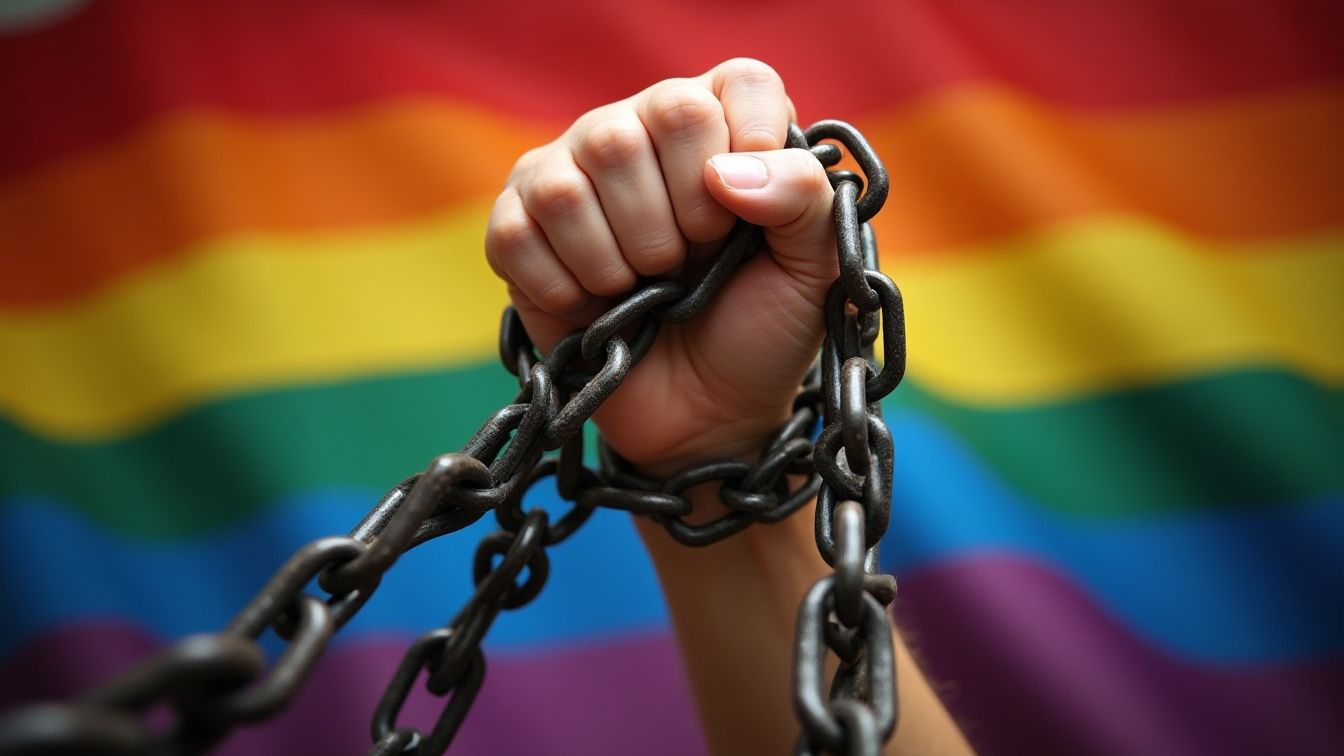
June 26, 2025, marked the tenth anniversary of Obergefell v. Hodges, the landmark Supreme Court decision that legalized same-sex marriage nationwide—a ruling celebrated by millions as a triumph of love, dignity, and equality. But if the Court’s most recent decisions are any indication, that anniversary might now read less like a milestone and more like a mirage.
In a flurry of end-of-term rulings, the Supreme Court handed down three decisions—Mahmoud v. Taylor, Trump v. CASA, and Medina v. Planned Parenthood South Atlantic—each one chipping away at hard-won rights for LGBTQ+ individuals, immigrants, and those seeking reproductive healthcare.
Mahmoud v. Taylor: Opting Out of Acceptance
In a 6–3 ruling, the Court sided with anti-LGBTQ+ plaintiffs who sought to opt their children out of public school curriculum simply because it included LGBTQ+-inclusive picture books. The case stemmed from Montgomery County, Maryland, where titles such as Uncle Bobby’s Wedding and Born Ready: The True Story of a Boy Named Penelope were integrated into an English Language Arts curriculum. The district initially allowed opt-outs but rescinded that policy after it disrupted classroom cohesion. The Supreme Court, however, declared that the opt-out ban violated religious freedom.
André C. Wade, State Director of Silver State Equality, didn’t mince words:
> “Donald Trump’s Supreme Court has once again weaponized the bench to marginalize LGBTQ+ people. This ruling sets a dangerous precedent that will only embolden further censorship in schools.”
Allen Morris, Policy Director at the National LGBTQ Task Force, echoed those concerns:
> “This decision is a dangerous extension of Florida’s ‘Don’t Say Gay’ law. It’s designed to make LGBTQ+ youth and families feel invisible and erased.”
At a time when books by or about LGBTQ+ people are already the most banned in school districts across the country, the ruling delivers a devastating blow to inclusive education.
Trump v. CASA: Birthright Citizenship Under Fire
In another 6–3 decision, the Court opened the door for future administrations to reinterpret or undermine the 14th Amendment’s birthright citizenship clause—long a cornerstone of American democracy. The ruling in Trump v. CASA may not have outright overturned the constitutional guarantee, but it weakened judicial oversight and cast a chilling shadow over immigrant communities.
> “There should be no arbitrary definitions of who counts as ‘American,’” said Morris. “Any effort to undermine birthright citizenship is a direct assault on the legacy of Reconstruction and the hard-fought gains of Black Americans.”
As with the LGBTQ+ curriculum decision, the ruling fits into a broader pattern: empowering states—and political ideologues—to chip away at long-standing rights, especially for communities that have historically been marginalized.
Medina v. Planned Parenthood: Medicaid, Reproductive Rights, and the Court's Silence
In the third major decision of the day, the Court declined to protect Medicaid recipients’ right to choose their healthcare provider, effectively upholding South Carolina’s ban on reimbursing Planned Parenthood. The ruling further threatens access to reproductive health services—including for trans and queer people who rely on inclusive providers.
> “This is a blatant attack on healthcare access for the most disenfranchised Americans,” said Morris. “It’s another brick in the wall being built between the people and the care they need to live.”
Silver State Equality added that an adverse ruling in this case “would have increased inequitable health disparities, and disproportionately harmed Black, Brown, LGBTQ+, and immigrant communities.”
A Decade After Obergefell: Progress, Paused
It’s impossible to ignore the bitter irony: ten years after the Supreme Court brought us Obergefell, a different Court—stacked by Trump-era appointments—is busy unraveling the threads of progress.
Justice Samuel Alito’s majority opinion in Mahmoud even included language casting doubt on the legitimacy of same-sex marriage and transgender identity, raising alarm bells for legal experts and equality advocates alike.
> “It is appalling that six Justices of the United States Supreme Court appear to share this archaic and hateful worldview,” said Wade. “This wasn’t about curriculum—it was about control, erasure, and the continued assault on LGBTQ+ dignity.”
What’s Next?
As the judicial branch increasingly mirrors America’s cultural and political divide, advocacy groups are urging Congress and local leaders to act.
> “Congress must work to further codify birthright citizenship, reproductive rights, and LGBTQ+ protections into federal law,” urged Morris. “The Constitution should not be a battleground for ideological whims.”
Whether in classrooms, clinics, or courtrooms, the message is clear: the fight for equality is far from over.
And while Obergefell remains intact—for now—the spirit of that decision is under siege.
This year’s Pride Month may end with confetti and celebration, but it closes on a sobering note: rights, once granted, can still be taken away.