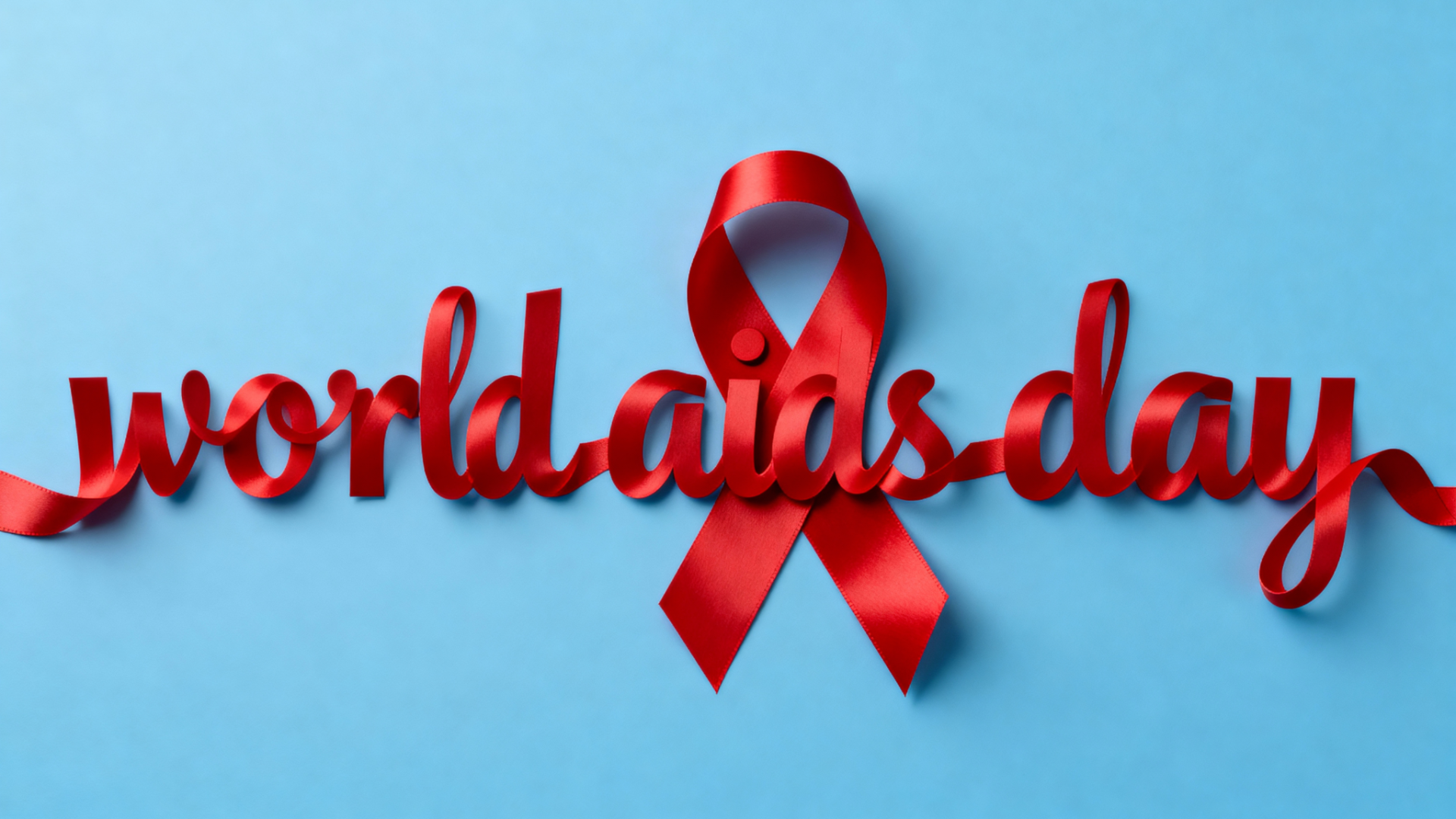
Every year on December 1, people around the globe pause for World AIDS Day—a day to remember lives lost, stand with people living with HIV, and recommit to finally ending the epidemic. Established in 1988 as the first-ever international day for global health, World AIDS Day grew out of the urgency and grief of the early epidemic, when an AIDS diagnosis often meant just a few years to live.
Today, HIV is no longer the death sentence it once was. With access to modern antiretroviral therapy, many people with HIV live long, healthy lives; HIV can be suppressed to undetectable levels, making it effectively untransmittable (U=U). Yet the crisis is far from over. Globally, tens of millions of people live with HIV, and more than 40 million have died of AIDS-related illnesses since the beginning of the epidemic.
World AIDS Day is built around themes that highlight the challenges and opportunities of the moment. For 2025, one widely used theme is *“Overcoming disruption, transforming the AIDS response,”* a call to protect hard-won progress in the face of funding cuts, political backlash, and global instability. It’s a reminder that science alone doesn’t end an epidemic—political will, stable funding, and social justice are just as important. Some organizations are also embracing the rallying cry *“Rethink. Rebuild. Rise.”* to connect World AIDS Day with the upcoming International AIDS Conference and a broader push to rebuild stronger, more equitable health systems.
The numbers behind World AIDS Day tell a complex story. In many regions, new infections and deaths have fallen dramatically thanks to prevention, testing, and treatment programs. But key populations—such as gay and bisexual men, transgender people, sex workers, and people who inject drugs—continue to bear a disproportionate burden of HIV, often made worse by stigma and criminalization. In the United States, for example, gay and bisexual men account for the majority of new HIV diagnoses, even as overall infections slowly decline.
Stigma remains one of the most stubborn barriers. Fear of discrimination can keep people from getting tested, starting treatment, or staying in care. Around the world, harsh laws targeting LGBTQ+ people and other marginalized communities are pushing some of the most at-risk groups further into the shadows, undermining decades of progress. World AIDS Day challenges us to confront not just a virus, but the prejudice and inequality that help it spread.
At the same time, there are reasons for hope. Prevention tools like PrEP (pre-exposure prophylaxis) can reduce the risk of acquiring HIV by up to 99% when taken as prescribed. Long-acting treatments and promising new options, including injectable medications that may only be needed a few times a year, could make it easier than ever for people to stay protected and virally suppressed—if those advances are made accessible to everyone, not just those in wealthy countries.
World AIDS Day is also about remembrance and community. From the AIDS Memorial Quilt to candlelight vigils, storytelling projects, and local marches, communities honor those lost and celebrate the resilience of people living with HIV. These rituals aren’t just symbolic—they help fight stigma, keep history alive, and remind policymakers that real lives are at stake.
So what can one person do on World AIDS Day? Get tested or encourage a friend to do the same. Learn the facts about HIV transmission and U=U. Support organizations providing testing, treatment, housing, and advocacy. Speak up against stigma when you see it—whether it’s an offhand joke or a harmful law. And above all, remember that ending the AIDS epidemic isn’t just a medical goal; it’s a commitment to equality, dignity, and care for one another.
On December 1, the red ribbon is more than a symbol. It’s a promise: to honor the past, confront the present, and fight for a future where HIV is no longer a threat—and where everyone, regardless of who they are or where they live, has the chance to thrive.