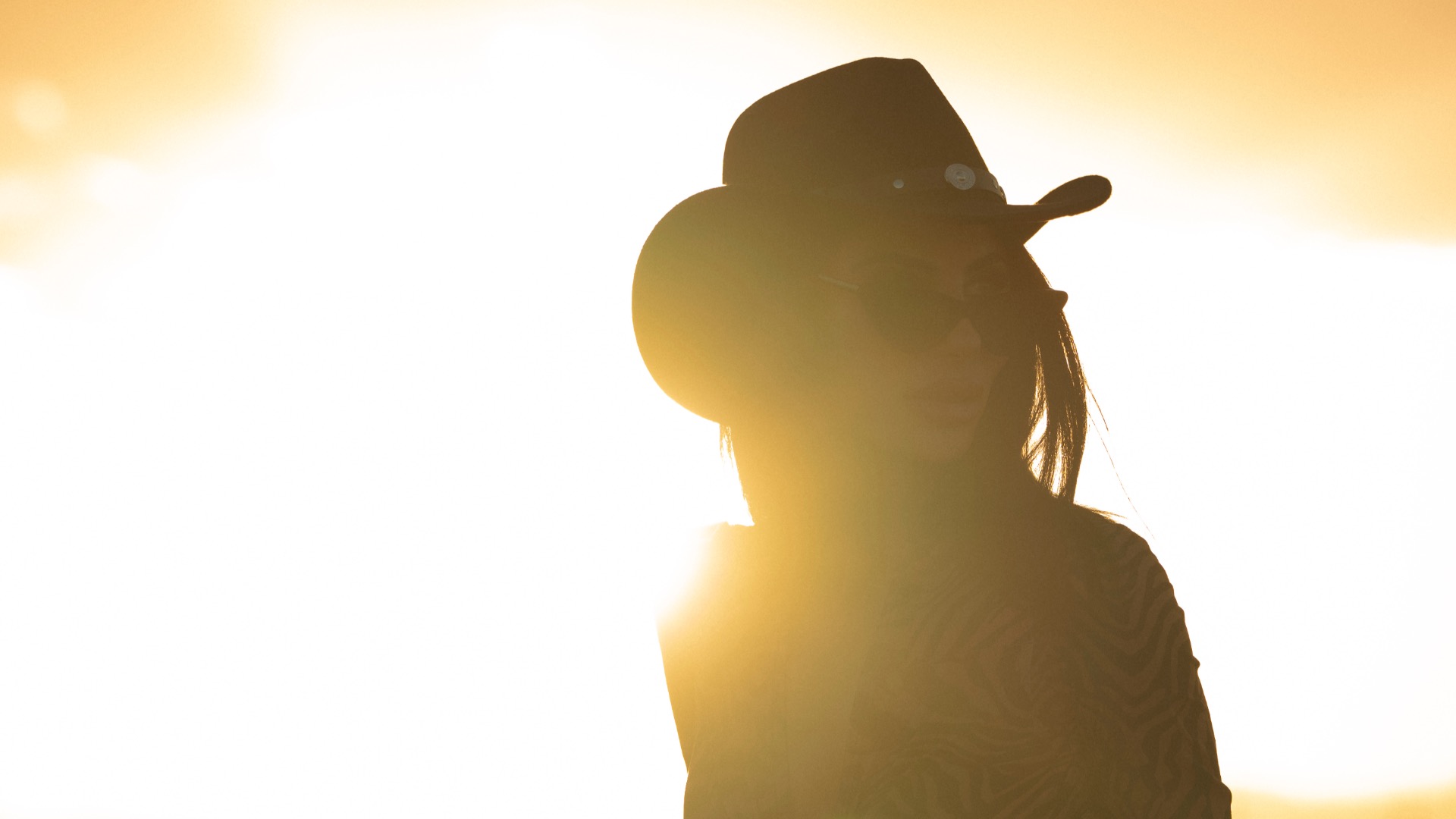
Las Vegas loves a homecoming. For Mikalah Gordon, the city isn’t just where she grew up—it’s the stage where she’s rewriting the story of a 16-year-old who learned to take up space, sing louder, and laugh through the sting. Two decades after breaking into America’s living rooms on American Idol, Gordon is back in full Vegas bloom: co-hosting mornings on 98.5 KLUC, fronting a band residency at Fontainebleau, and premiering “Good Girl,” a pop-soul anthem that wraps grit, glamour, and hard-earned tenderness into three minutes built for a shout-along.
Gordon’s launch was meteoric. At 16, she made American Idol’s Top 12 and roomed with Carrie Underwood. The whirlwind led to red-carpet correspondent gigs and a sitcom stint with Fran Drescher on Living with Fran. Fame arrived with its familiar twin: scrutiny. That spotlight—and the sometimes vicious commentary that swirled around it—shaped a young artist figuring out who she was.
In 2025, a reunion with Idol alums stirred old memories and new ache. En route to taping, she learned her stepmother had passed. The trip became a time capsule—joy and grief sharing the same seat. “It was the same feeling I had at 16,” she reflects. “Wanting to change my life and my family’s life.” Those conflicting currents animate “Good Girl,” a song she recorded to her teenage self, promising that everything the girl dreamed of came true—and that her older self is standing guard now.
The Sound of a Stand: Pop Soul with Hook and Swagger
“Good Girl” slides easily into the pop-soul pocket. Gordon cites Amy Winehouse and Jazmine Sullivan as touchstones, but the track feels unmistakably hers: a clear, repeat-ready melody and a chorus that invites the crowd to become backup singers. The thesis lands in a single punchy line: Good girls go bad—and I’m good with bad. Girl, how about you? It’s less rebellion than reclamation, a shrug at the labels people try to stick on women who get loud, get visible, get free.
Her favorite lyric may be the mission statement: “You said I’m a clown—well, bitch, I’m funny. I make my money living out loud.” For an artist whose quick wit and comedic license were once weaponized against her, it’s a sly grin and an iron spine. A close second nods to the city that shaped her: “Bet on me I’m a luck lady, win or lose love ‘em or hate me, I’m a Vegas baby.” It’s not just a rhyme; it’s a thesis on resilience in a town that rewards show-up spirit and second acts.
Body, Image, and the Frame She Chooses
Gordon has long been candid about the tug-of-war between public scrutiny and self-regard. After losing her stepmother, she lost weight—and the commentary simply shifted, from “too big” to “too small.” The revelation is in the refusal: happy and healthy are the only metrics that matter. The “Good Girl” video makes that stance visual. She casts herself as a showgirl who falls in love with another femme showgirl—an image she couldn’t safely put on screen at 16. Sequins, intimacy, and unapologetic presence collide. “It was important to say the things I couldn’t say back then,” she says. “This is my body. This is my sexuality. Love it, hate it—it's mine.”
The project is intentionally queer on both sides of the camera, with creatives like Estevan Velasco and Mayven Misbehavin. infusing it with community DNA. That choice isn’t just representation—it’s home.
Not a Diss Track—A Boundary
Co-written with Idol alum Brandon Rogers, “Good Girl” is pointed without being petty. Reality TV isn’t the villain; anonymity is. Gordon’s critique lands on the keyboard warriors whose comments outlive their throwaway intent. “Even now, if you say something rude, it hurts,” she admits. “We’re not built to pretend it doesn’t.” The song’s temperature stays warm, not caustic—firm boundaries delivered with love for the girl who bore the brunt.
Timing Is Everything: Comedy, Craft, and Relief
Before the morning radio alarm and the Fontainebleau lights, Gordon earned her timing at The Comedy Store and Laugh Factory. That sensibility threads her stagecraft and podcast, So Funny It Hurts, which explores how artists alchemize pain into punchlines. “Comedy is relief,” she says. “It’s how we make the hard stuff bearable.” Music uses the same physics: breathe here, break there, tell the truth and let the audience laugh, cry, or shout the chorus back until it becomes theirs too.
Powered by Joy, Anchored by Sobriety
The schedule looks like a dare: radio at dawn, interviews by day, performance at night. The engine, though, is deceptively simple. Gratitude keeps her grounded, and nearly three years of sobriety sharpen the focus. She knows scarcity and she knows momentum; both taught her not to take any of this for granted. The rest is community fuel. Coming back to Vegas, she says, felt like being caught mid-fall by people who already knew how to hold her. QVegas readers know the script: in this town, chosen family shows up, glams up, and makes room at the table.
A Vegas Girl, Through and Through
Ask who shaped this era and Gordon points at the city itself. The late-night hangs, the boas and bullhorns, the camp and craftsmanship that go into a Las Vegas career—these are not accessories; they’re the job description. “We create our own seats at the table—and then we pull up chairs for each other,” she says. Her “I made it” moments add up: a key to the city after Idol, her face on The Palms with Lisa, billboards and segments and spotlights that remind her where she’s from. The truest flex is steadier: “Vegas never lets you forget who you are.”
National Coming Out Day: A Home-Field Debut
On Saturday, October 11, Gordon takes the National Coming Out Day Block Party stage in the Fruit Loop—now officially recognized as a historic LGBTQ+ landmark. It’s a fitting venue for “Good Girl” to meet its people. Expect a mini-premiere moment with the video’s cast and a set designed for a street-wide singalong. For Gordon, NCOD is personal; it’s the date she helped launch the first national LGBTQ morning show with Channel Q. This year’s performance brings her full circle: a hometown crowd, a queer creative team, and a song about standing up for the version of yourself who needed you most.
The Lightning Lives On
The artist who jokes about being a “leather daddy through and through” and vows never to whistle backstage (lest she spend the pre-show standing on her head and humming) still holds space for the kid who fell in love with the Spice Girls and Funny Girl. Ask her dream duet and she says Amy Winehouse. Ask the song she wishes she wrote and she’ll pick “Landslide.” Ask for the one word she has for the Fruit Loop crowd on October 11 and she tries to compress a life’s worth of gratitude into a single syllable—before choosing the word that has followed her from punchline to mantra: “Bitch.” As in, yesbitch: one word, no spaces, all velocity.
The “Good Girl” Thesis
In the end, “Good Girl” is less a heel turn than a hand up—extended backward across time to a 16-year-old in glitter who learned too early that visibility invites commentary. It’s a reclamation of the same traits people tried to turn into weapons: humor, audacity, volume, shine. The song plants a flag on the Vegas strip and mirrors back what this city has always offered its own: if you’re brave enough to show up, there’s a place for you under these lights.
Catch Mikalah Gordon on your morning drive at 98.5 KLUC, onstage with her band at Fontainebleau, and center-street for National Coming Out Day on October 11. Bring your friends, your rhinestones, and your outside voice. This chorus was written for you.