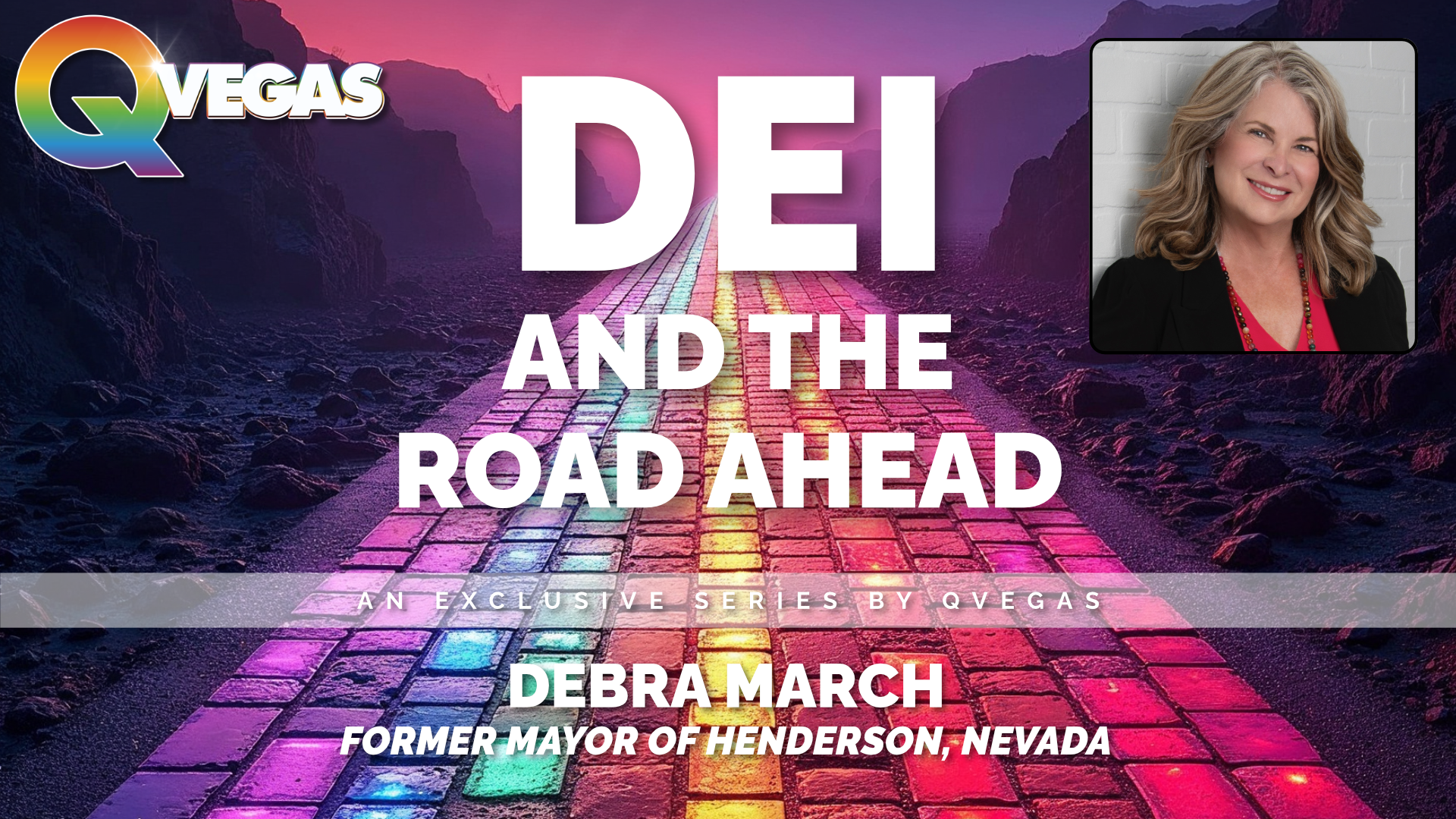
For over three decades, Debra March has been at the forefront of shaping Southern Nevada. From her early days as a planning commissioner to her tenure as mayor of Henderson (2017–2023), and now as the president of Debra March Ventures, she has never wavered in her dedication to building communities of lasting value.
Today, March leads active ventures through her consulting firm and continues her public service through nonprofit leadership. She sits on the boards of Boystown, Human Good, and the Lion Initiative, which champions education in Nevada. But perhaps one of her most impactful roles is as Chair of the Urban Land Institute (ULI) for Nevada, an organization she has been part of for more than 30 years.
"ULI is the oldest and largest network of cross-disciplinary real estate and land use experts in the world," March explains. "We focus on placemaking and how to build communities that are inclusive, dynamic, and centered around quality of life."
Under her leadership, ULI Nevada hosted the national conference in Las Vegas last fall, drawing over 10,000 attendees. Globally, ULI represents more than 50,000 professionals. "We are shaping the future of the built environment," she says. "That means thinking holistically about transportation, housing, community design, and ensuring everyone feels welcome."
March's commitment to diversity, equity, and inclusion (DEI) is evident in her record. When she took office as mayor in 2017, Henderson's Municipal Equality Index (MEI) score was a modest 56. By the end of her term, it had reached a perfect 100.
"It was a priority," she affirms. "We wanted Henderson to be a place where everyone felt safe, seen, and valued."
That transformation wasn’t accidental. Her administration implemented more inclusive hiring practices across city departments, including police and fire, which were historically less diverse. Programming was redesigned to reflect the city’s growing cultural and social diversity, and partnerships with organizations like The LGBTQ+ Center of Southern Nevada helped guide the city’s outreach and support efforts.
"We didn’t just change policies," March emphasizes. "We changed culture."
Still, March is keenly aware of the current political climate, where DEI has become a lightning rod for controversy. "The current administration has weaponized the term DEI," she says. "But if you break it down—diversity, equity, inclusion—who would argue against any of those principles?"
"Maybe we need to relabel it, or maybe it’s just about how we treat one another," she muses. "At its core, it’s about kindness, thoughtfulness, and building communities that welcome everyone—LGBTQ people, women, people with disabilities, communities of color."
Through her work at ULI, March is creating what she calls a "playbook for inclusive placemaking." That means ensuring every facet of community design—from housing and transportation to public spaces and employment opportunities—takes into account the needs of all residents.
"We’re talking about building communities with big arms," she says. "Places that embrace everyone."
Looking forward, March sees both opportunities and threats for DEI in Nevada. She worries about federal funding cuts and policies that quietly erase the contributions of marginalized communities, including veterans, and persons of color. "That erasure is deeply troubling," she says. "These are people who served their communities and country and deserve to be recognized and remembered."
She also sees a potential backlash at the ballot box. "A lot of people sat out the last election," she notes. "I don’t think that’ll happen again. People are watching with concern and waking up. They’re realizing how much is at stake."
As a lifelong Democrat, March doesn’t shy away from critiquing the political establishment. "The machine used to serve us," she says. "But it’s gotten so self-serving. It’s about feeding itself. We need real leadership now, not just candidates the party can control."
She believes the path forward involves cultivating new voices—people from all walks of life with lived experience, empathy, and a vision for the future. "We should be mentoring future leaders, not being threatened by them," she insists. "Let’s help them serve their communities with integrity."
That vision includes more than just political ambition. March is a strong proponent of leadership development across sectors. "We need to focus on growing the next generation of civic and community leaders. That starts with giving people opportunities to serve."
She sees potential for collaboration between nonprofits, chambers of commerce, and municipalities to create programs that train future civic leaders. "There’s too much armchair commentary these days," she says. "People criticize decisions without understanding the process or the law involved with decision making. We need people to get involved, learn, and lead."
Her own journey is proof of that philosophy. Before becoming mayor, March served as a planning commissioner for six years and as a city councilwoman beginning in 2009. She also directed UNLV’s Real Estate Institute for 16 years.
"Understanding land use, budgets, and community engagement—it all helped prepare me for office," she says. "Good leaders are proactive. They listen. They collaborate."
Even in the private sector, March remains a voice for public service. While she doesn’t currently plan to run for office again, she hasn’t ruled it out. "I enjoy the flexibility I have now," she says. "But I’ll always be committed to building vibrant and inclusive communities. That’s the legacy I want to leave."
Asked what advice she would give someone considering public office, March is clear: "Volunteer. Get on a board or commission. Show up. Learn how government works. Sit down with leaders and ask questions. And when you disagree, do it with respect."
She also wants current elected officials to reconnect with their constituents. "I know our federal leadership is diverse and supportive," she says, "but they need to come home. They need to enage with the people—in the west side, in Henderson, in every corner of the state. We need more of that," she insists. "The people are smarter and more engaged than ever. Let’s treat them with respect and listen to what they have to say. Then let’s craft a vision that includes communities and residents."
For March, the current political moment demands more than just maintaining the status quo. It requires a recommitment to the foundational values of public service—transparency, accountability, compassion, and inclusion. She warns that cuts across agencies and careless policy changes can destabilize communities, affecting junior employees, underrepresented populations, and essential services.
"We’ve seen it before. When we went through the economic downturn from 2008 to 2013 we were surgical. We looked for ways to reduce impact on residents. We had empathy. That’s what’s missing now."
March sees a worrying trend of communities being treated like business transactions instead of living systems. "There’s more to leadership than spreadsheets and headlines. It’s about listening to people’s needs and responding with heart and strategy."
She’s also deeply involved in tackling housing affordability. "If you work in Henderson, you should be able to live in Henderson," she says. "It’s not enough to bring in development—we need to ensure it brings good jobs, fair wages, and housing people can afford."
That’s why she remains committed to her work with ULI, where she is helping shape the future of Nevada’s built environment. "We’re at the table for these conversations," she says. "This is how we create sustainable communities that actually serve the people who live in them."
In every aspect of her work—from planning to policy to advocacy—Debra March continues to be a powerful voice for building a better Nevada. Her message is clear: "Communities of lasting value don’t happen by accident. We build them—with empathy, with vision, and with open arms."