

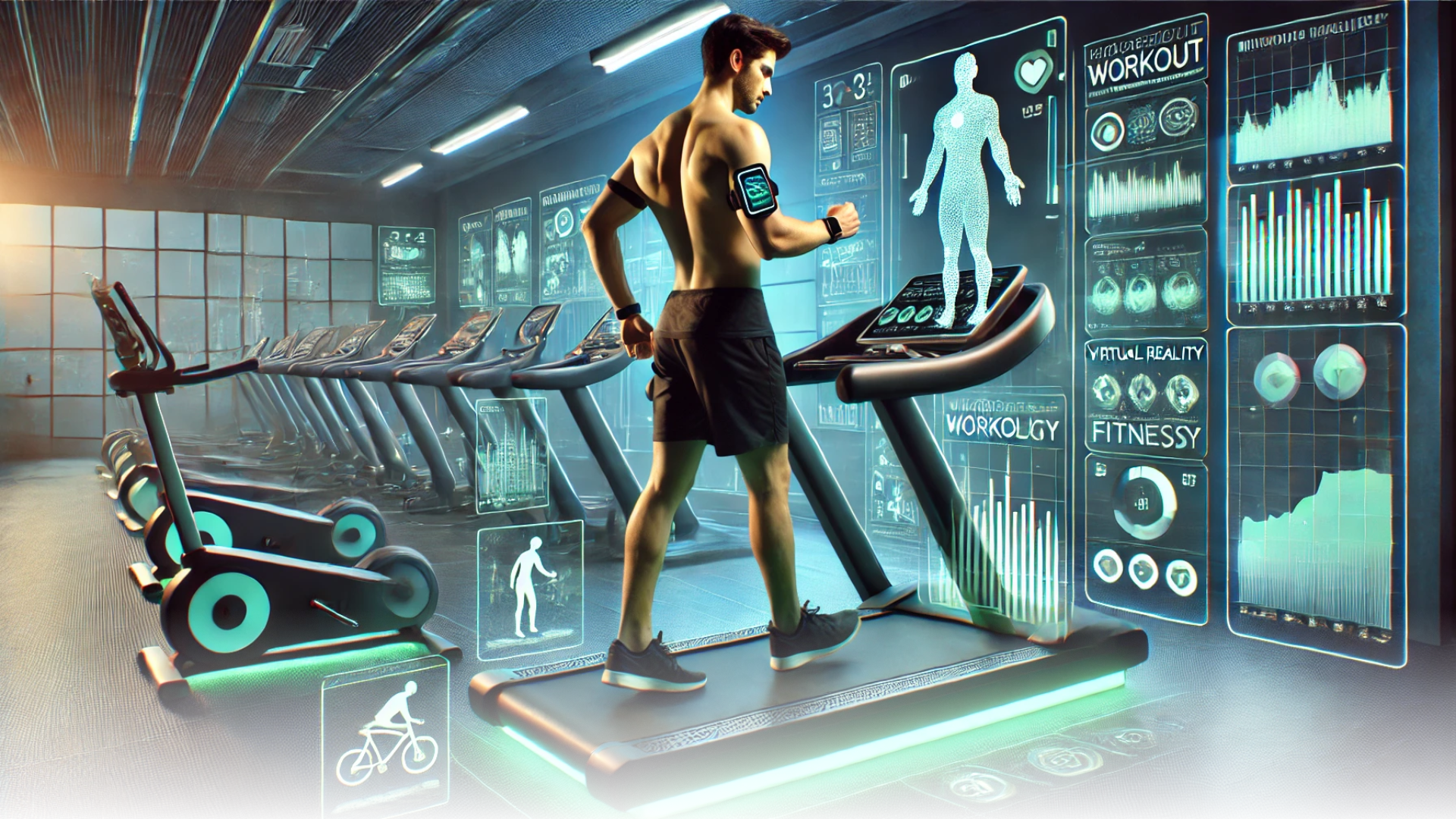
The fitness industry in 2025 is a dynamic landscape driven by innovation, inclusivity, and personalization. Advances in technology and evolving societal priorities have transformed fitness into a multifaceted experience that goes beyond physical exercise. As people seek holistic approaches to health, the trends shaping the future of wellness are redefining how individuals engage with their fitness goals.
One of the most significant developments is the continued rise of wearable technology. Devices such as the Apple Watch, Fitbit, and Garmin have become indispensable tools for tracking health and fitness metrics. In 2025, these wearables have evolved to provide even more comprehensive insights. Real-time monitoring of heart rate variability, blood oxygen levels, and stress metrics allows users to understand their bodies in unprecedented detail. With the integration of artificial intelligence, these devices now offer personalized recommendations, adapting workout routines, recovery plans, and even dietary suggestions based on user data. One groundbreaking addition is glucose monitoring, which helps individuals optimize their energy levels and performance during workouts. This level of precision enables people to make informed decisions about their fitness and overall health.
Virtual reality (VR) and augmented reality (AR) are also reshaping the fitness landscape. These immersive technologies have taken exercise routines to the next level by making them interactive and engaging. VR platforms like Supernatural and FitXR transport users to stunning virtual environments where they can box, dance, or meditate. AR overlays enhance real-world workouts, turning activities like running or yoga into visually enriched experiences. In 2025, advancements in VR and AR have made these technologies more accessible, with lightweight headsets and improved connectivity. The result is a fitness experience that feels less like a chore and more like an adventure, encouraging people to stay active.
Personalization has become a cornerstone of fitness, thanks to the power of artificial intelligence. AI-driven platforms analyze user data from wearables and apps to create customized fitness plans tailored to individual needs. These systems consider biometric data, personal preferences, and even behavioral patterns to design routines that maximize effectiveness and maintain motivation. Predictive analytics now allows users to anticipate potential health challenges and adjust their regimens proactively. Fitness apps such as Noom and MyFitnessPal have embraced AI to provide real-time coaching and guidance, making personalized wellness accessible to everyone.
The popularity of smart home gyms continues to soar. Compact and AI-powered fitness equipment, such as Peloton bikes, Tonal systems, and Mirror workout screens, have revolutionized how people exercise at home. These devices offer on-demand classes, virtual personal training, and advanced progress tracking, creating a gym-quality experience in the comfort of one’s living room. Manufacturers have prioritized space-saving designs, making it easier for users to incorporate fitness into small living spaces. Smart home gym systems also integrate seamlessly with wearables and apps, creating a cohesive ecosystem that tracks and optimizes workouts, nutrition, and recovery.
Hybrid fitness models are emerging as a dominant trend, blending the convenience of virtual fitness with the community and engagement of in-person training. Gyms and studios now offer memberships that include access to digital platforms, enabling users to participate in workouts from anywhere. At the same time, members can attend in-person classes and events, fostering social connections and accountability. This approach has proven especially popular among boutique studios like Orangetheory and SoulCycle, which combine the best of both worlds to cater to a diverse audience.
Inclusivity has become a key focus in the fitness industry, with efforts to make wellness accessible to people of all ages, abilities, and backgrounds. Adaptive workout programs designed for individuals with disabilities or chronic conditions are becoming more widely available. Senior-friendly fitness offerings have also expanded, with classes and equipment tailored to older adults looking to maintain their health and mobility. Cultural diversity is another area of growth, as fitness routines inspired by traditions from around the world, such as Bollywood dance or African drumming, gain popularity.
Sustainability is shaping fitness practices as environmental consciousness becomes a priority. Eco-friendly gyms powered by renewable energy and equipped with energy-generating machines are gaining traction. Fitness apparel and equipment made from recycled materials are becoming the norm, reflecting a commitment to reducing the industry’s environmental footprint. Outdoor activities, such as hiking, trail running, and eco-conscious yoga sessions, are also growing in popularity as people seek a deeper connection to nature while staying active.
Functional fitness, which focuses on improving movement patterns for everyday activities, remains a cornerstone of modern exercise routines. In 2025, this trend is complemented by an increased emphasis on recovery. Percussive therapy devices like Theragun are widely used to relieve muscle soreness and improve circulation. Cryotherapy chambers have become more accessible, helping athletes and fitness enthusiasts reduce inflammation and accelerate recovery. Stretching studios dedicated to flexibility and mobility training are springing up in urban centers, highlighting the importance of balancing exertion with rest.
Gamification has added a fun and competitive element to fitness, making it more engaging for a broader audience. Apps and platforms that turn workouts into games are thriving. Virtual races, challenges, and leaderboards encourage users to push themselves while fostering a sense of community. Platforms like Zwift, which combines cycling and running with multiplayer gaming, continue to gain popularity. Even gaming consoles like Nintendo Switch have embraced fitness, with titles like *Ring Fit Adventure* merging entertainment and exercise.
The integration of mental health into fitness routines has become a significant trend. The connection between physical activity and mental well-being is well-documented, and fitness programs now incorporate practices that nurture both the body and mind. Meditation and mindfulness apps, such as Calm and Headspace, include fitness elements to create holistic wellness experiences. Yoga and tai chi are increasingly popular for their stress-reducing and flexibility-enhancing benefits. Breathwork training has also emerged as a powerful tool for improving focus and resilience, both during workouts and in daily life.
Finally, biohacking and advanced health tracking are becoming more accessible as people seek to optimize their performance. Wearables equipped with sophisticated sensors can now measure hydration levels, stress hormones, and even gut health. Nutrigenomics, or personalized nutrition based on genetic data, is gaining traction as a way to enhance fitness outcomes. Apps that track supplements and recommend tailored plans based on individual health profiles are also on the rise, empowering users to take control of their wellness journey.
As we look ahead, the fitness trends of 2025 reflect a shift toward more innovative, inclusive, and sustainable approaches to health. The fusion of technology, personalization, and holistic wellness has created opportunities for people to engage with fitness in ways that are enjoyable, effective, and deeply rewarding. Whether through immersive VR experiences, AI-driven plans, or eco-friendly practices, the future of fitness is designed to empower individuals to achieve their health goals while embracing a more balanced and connected way of life.
The fitness technology landscape has experienced remarkable advancements, seamlessly integrating cutting-edge devices and applications into daily life. As we approach CES 2025 in Las Vegas, the industry is poised to unveil innovations that promise to redefine health and wellness experiences.
Apple Watch: A Decade of Evolution
Since its debut in 2015, the Apple Watch has transformed from a novel accessory into a comprehensive health and fitness companion. The latest iteration, the Apple Watch Series 10, exemplifies this evolution with several notable enhancements:
Design and Display
The Series 10 features a 10% thinner profile compared to its predecessor, the Series 9. Its display is approximately 30% larger than that of the Series 6, enhancing readability and user interaction.
Health Monitoring
Building upon existing capabilities, the Series 10 introduces sleep apnea detection, utilizing advanced sensors to monitor sleep patterns and identify potential disruptions. This feature has garnered praise from health experts for its potential to raise awareness about sleep-related conditions.
Fitness Tracking
The new Training Load feature offers insights into workout intensity, assisting users in optimizing their fitness routines. Additionally, the Vitals app provides comprehensive health metrics, enabling informed decision-making regarding personal wellness.
Environmental Adaptability
Designed for diverse activities, the Series 10 includes a depth gauge and water temperature sensor, catering to swimmers and water sports enthusiasts. The Tides app offers real-time data for surfers, enhancing safety and performance.
watchOS 11: Enhancing User Experience
Complementing the hardware, watchOS 11 introduces features that enhance user engagement:
Vitals App
This application consolidates key health metrics, offering users a holistic view of their well-being.
Training Load
By analyzing workout intensity over time, this feature aids users in achieving optimal fitness levels without overexertion.
Cycle Tracking Enhancements
The update provides additional support for users who are pregnant, offering more personalized health insights.
Health and Fitness Applications: Empowering Personal Wellness
The ecosystem of health and fitness applications continues to expand, offering personalized solutions for diverse user needs:
Fitbit Charge 6
Recognized as a comprehensive fitness tracker, it monitors workouts, heart rate, and GPS data, compatible with both Android and iOS devices.
Garmin Vívoactive 5
Ideal for multi-sport tracking, this device offers extensive battery life and supports over 25 activity types, catering to a wide range of fitness enthusiasts.
Whoop 4.0
Focusing on sleep and recovery, this wearable provides detailed analysis, assisting users in optimizing rest and performance.
Anticipated Announcements at CES 2025
CES 2025 is set to showcase groundbreaking innovations in fitness technology:
Foldable Fitness Equipment
KingSmith Fitness is expected to unveil its latest WalkingPad® treadmills and rowers, emphasizing space-efficient and smart workout solutions.
Immersive Fitness Experiences
Advancements in virtual reality (VR) and augmented reality (AR) are anticipated to revolutionize exercise routines, offering immersive fitness demos that blend technology with physical activity.
Smart Home Integration
The convergence of fitness technology with smart home ecosystems is expected to allow users to manage workouts, track data, and optimize health within a unified platform.
The Future of Fitness Technology
The trajectory of fitness technology indicates a future where devices are not only tools but integral partners in health management. The integration of AI, enhanced sensor capabilities, and seamless connectivity across platforms will continue to empower individuals to take proactive control of their wellness journeys.
As CES 2025 approaches, the anticipation for innovative solutions that bridge the gap between technology and personal health is palpable. The forthcoming announcements are poised to set new benchmarks in the fitness technology industry, offering users unprecedented opportunities to enhance their health and well-being.