In Las Vegas, a city known for reinvention, the 2025 Creating Change conference provided a space for deep reflection, powerful storytelling, and a vision for collective resistance in the face of rising authoritarianism. Thousands of LGBTQ+ activists, allies, and community leaders gathered at the Rio Hotel to discuss how we fortify democracy, build inclusive futures, and maintain hope against the challenges of a shifting political landscape.
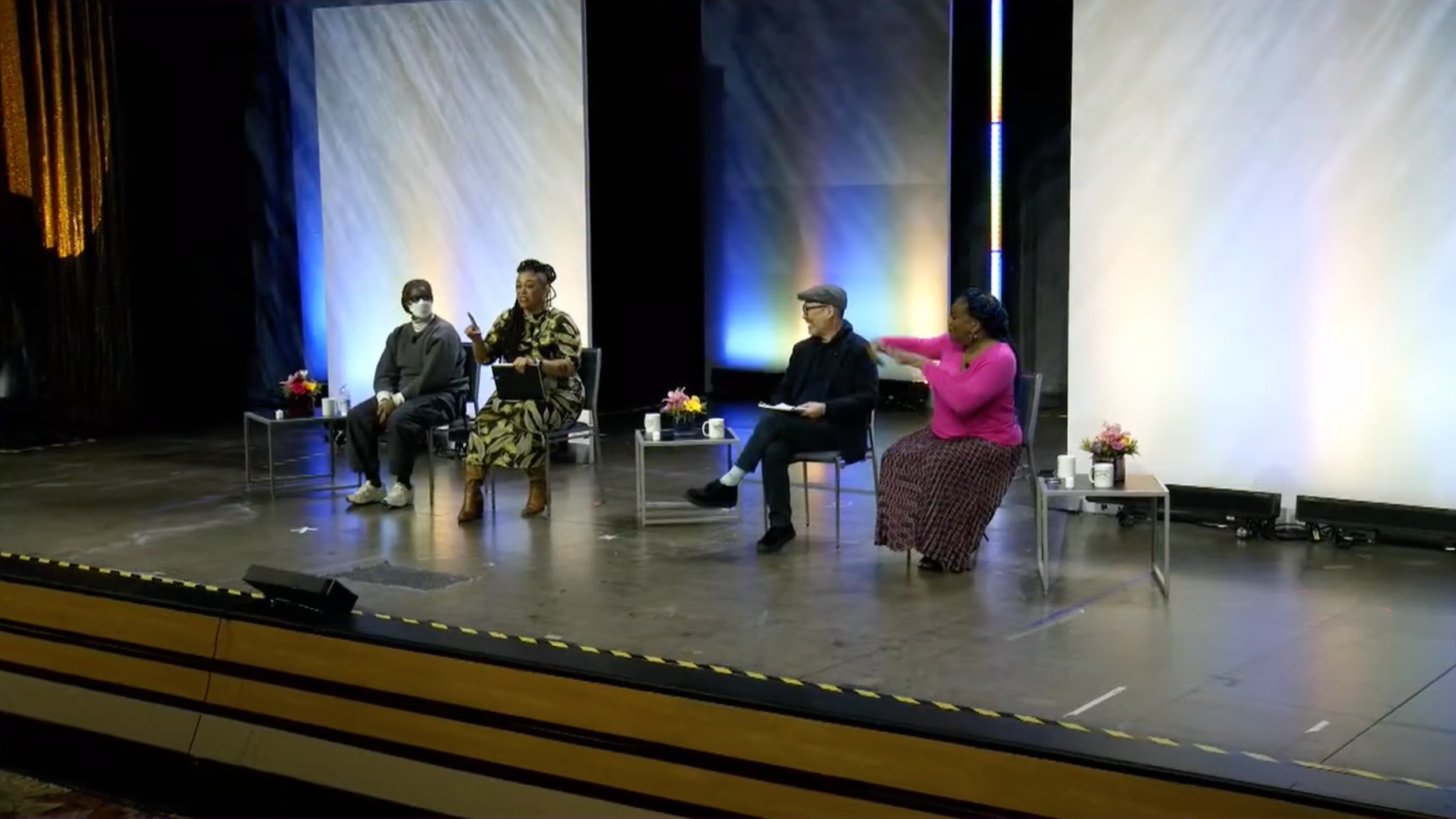
The plenary session, titled "Democracy, Fascism, and the Road Ahead," set the tone for the weekend with a lineup of inspiring panelists: Ash-Lee Henderson of the Highlander Research and Education Center, Imara Jones of TransLash Media, Kris Hayashi of the Transgender Law Center, and Scot Nakagawa of the 22nd Century Initiative. Moderated by journalist and cultural force Imara Jones, the session tackled the rise of authoritarianism, the targeting of LGBTQ+ communities, and the urgent need for collective action.
The Urgency of the Moment
Imara Jones opened the plenary by grounding the conversation in the current political climate. “We’re closer to a fascist future than we’ve ever been,” she stated. Citing recent events—the erosion of DEI initiatives, attacks on birthright citizenship, and increasing criminalization of transgender and queer identities—Jones reminded the audience of the tangible stakes. Yet, she emphasized that the situation is not irreversible.
“We are not there yet,” she affirmed. “The most critical thing we can do is recognize the possibilities in this moment and act boldly.”
This theme of possibility resonated deeply throughout the session. Panelists agreed that the current challenges present an opportunity to reimagine democracy and reaffirm the resilience of marginalized communities.
Lessons from History
Scot Nakagawa, a longtime activist and co-founder of the 22nd Century Initiative, contextualized the conversation by providing a clear definition of fascism.
“Fascism requires ultra-nationalism, the glorification of violence, centralized authority, and the suppression of dissent,” Nakagawa explained. “While we’re seeing trends in this direction, it’s critical to note we’re not fully there yet.”
Drawing comparisons to historical examples of resistance, Nakagawa noted how grassroots movements have repeatedly countered oppressive regimes worldwide. He urged attendees to recognize the cracks in authoritarian systems—internal divisions, ideological inconsistencies, and public discontent—as opportunities for resistance.
“Fascists thrive on the illusion of invincibility,” Nakagawa said. “But the truth is, they’re not as unified or as powerful as they seem. There’s still time for us to act.”
Building Collective Power
Ash-Lee Henderson, the first Black woman to lead the Highlander Research and Education Center, highlighted the importance of organizing. Henderson reminded the audience that the South—often portrayed as a monolith of conservatism—has long been a site of radical resistance.
“The South gave us the civil rights movement. The South gave us queer Black liberation,” Henderson declared. “And the South will lead us again.”
Henderson emphasized the need for “infrastructure-building,” which she described as strengthening the “bones” of movements to sustain long-term resistance. From mutual aid networks to labor organizing, she encouraged attendees to focus on strategies that build resilience and solidarity.
“We’ve survived before,” she said. “And we’ll survive again, but only if we commit to the collective work of keeping us safe.”
Centering Trans Liberation
Kris Hayashi, executive director of the Transgender Law Center, shared insights into how trans communities are at the forefront of resistance—and why they’ve become a central target for authoritarian regimes.
“The attack on trans people is not accidental,” Hayashi explained. “Trans liberation challenges the core of authoritarian ideologies. We disrupt binary thinking. We embody possibility.”
Hayashi emphasized the importance of supporting trans-led organizations, particularly in states where anti-LGBTQ+ legislation has surged. He highlighted the work of grassroots activists who are fighting for access to gender-affirming care, inclusive policies, and community safety.
“If we want to save democracy,” Hayashi said, “we must center trans liberation. It’s not optional. It’s essential.”
Possibilities in Resistance
As the conversation shifted toward actionable steps, the panelists focused on the possibilities embedded in the present moment. Henderson underscored the power of hope.
“Hope is not passive,” she said. “Hope is action. It’s showing up when it’s hard. It’s believing that another world is possible because we’re going to create it together.”
Nakagawa echoed this sentiment, pointing to international examples of successful resistance movements.
“Around the world, people have faced authoritarianism and won,” he said. “We have to learn from them, build alliances, and adapt their strategies to our own context.”
Hayashi added that the surge in attacks on LGBTQ+ rights has also sparked unprecedented solidarity across communities.
“We’re seeing coalitions form that didn’t exist five years ago,” Hayashi noted. “People are waking up to the fact that our liberation is tied together.”
A Call to Action
The plenary ended with a powerful call to action from Imara Jones.
“Don’t miss the opportunities,” she urged. “Even in Russia, activists had multiple chances to stop the rise of authoritarianism. They missed them. Let’s not make the same mistake.”
Jones encouraged attendees to support local and national organizations, engage in mutual aid, and prioritize community care. She also emphasized the importance of protecting trans and queer youth, who represent the next generation of leaders.
“The possibilities are endless,” Jones said. “But it’s up to us to seize them.”
Creating Change in a City of Reinvention
As attendees left the plenary, the energy in the room was palpable. The Creating Change conference had once again demonstrated the power of collective action, offering not just a blueprint for resistance but also a reminder of the joy and connection that sustain movements.
In a city defined by reinvention, the conference’s message was clear: transformation is possible. Whether through small acts of courage or large-scale organizing, the LGBTQ+ community has the tools, the history, and the vision to build a more inclusive and equitable future.
As Kris Hayashi aptly put it: “We get there together, or we never get there at all.”